Two Hands started with a phone call I'll never forget

It was a call from the leaders of the Australian lobster industry. They had just left a meeting with a major exporter who told them they had no option but to accept A$45/kg after receiving $87 the season just finished. The desperation in their voices touched me deeply as they feared the industry’s future for their children and grandchildren.

A few days later I was on Christmas break. We'd taken an Uber to the airport, stayed in an Airbnb, ordered books online. It dawned on me: The plight of those lobster leaders, we discovered, was the plight of farmers and fishermen globally.

It dawned on me: why can't we connect fishermen directly with end-buyers?

We launched in September 2019. Forbes published a 3-page feature — one of the few commercialised blockchain applications anywhere outside finance. By December, Marriott Group told us we'd solved their two biggest issues and asked us to grow from 4 to 26 fishermen in six weeks. We did – and it was our original four fishermen who brought every additional fisherman on board our platform. By January 2020, we had £1.6 million in orders for February alone.

Covid paused us. When we returned, the question wasn't whether Two Hands worked. It was where to scale. The UK was the answer.

A bigger problem than one industry

The lobster fishers' story is everywhere

Food systems are the leading contributor to biodiversity loss. The second-largest source of greenhouse gas emissions. A major driver of the obesity crisis. In 2024, the UK had record levels of food-borne illness. The average age of farmers globally now exceeds 60.

The FAO puts the hidden costs of global food systems at $12.7 trillion a year — exceeding the $9 trillion value of the food economy itself. For the UK alone, that's £248 billion annually, against a farming sector Treasury views through a £14 billion GDP lens.
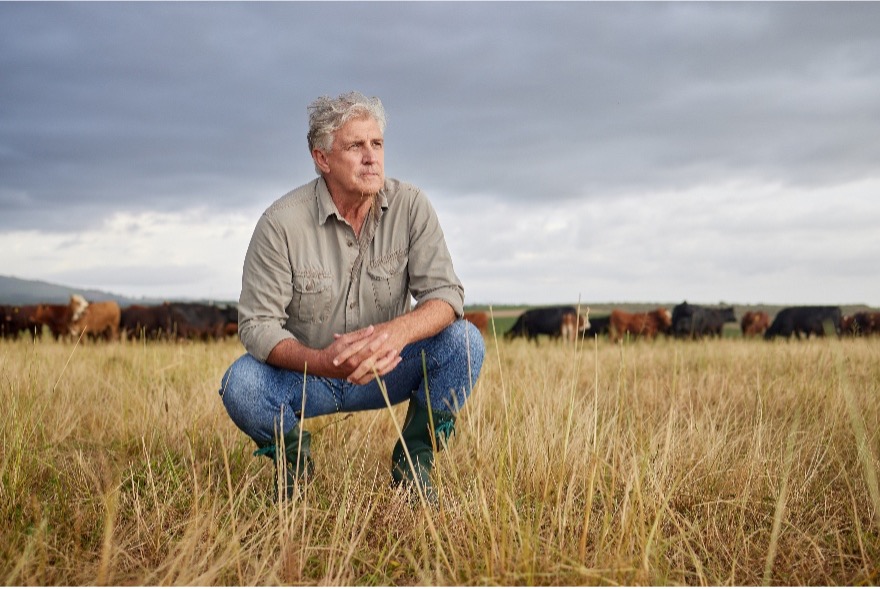
These are not separate problems. Food systems have been built to make the real costs of food invisible. Farmers carry the blame for a system they did not design and cannot see or control.

Two Hands exists because the information failure is fixable — and because nobody else is fixing it from the foundation up.

Our Mission

Protecting The Innocents
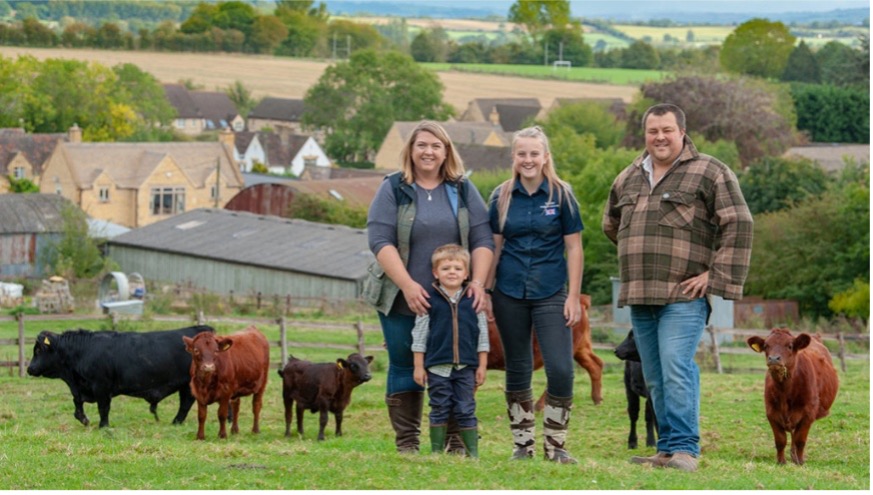
We think of the family-owned farms, fishing operations, logistics businesses, processors, wholesalers and rural communities we work with as The Innocents — people who produce extraordinary food and receive an inequitable share of the value they create.

Two Hands gives them what the current system denies them a:
1) Permanent, verifiable record of what they produce and how they produce it, and
2) Means for that information to be shared with end customers as their commercial asset - the foundation for a more honest food system.

The level playing field

Digital Trust and AI are supposed to democratise. Whether they do depends on who builds the infrastructure.

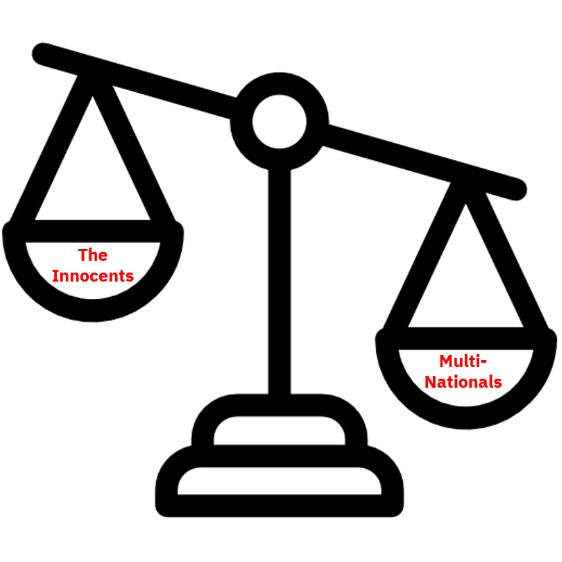
The top 20 UK food multinationals generate £30.2 billion in profit a year, spend £5.3 billion annually on IT, and employ over 25,000 IT staff.

Facing them: 209,000 UK farmers. 99% of farms are family-owned, typically employing fewer than 3 people, most carrying significant debt.

If the tech infrastructure for food systems is created by the multinationals, the power imbalance that has commoditised farmers could well accelerate.

Global food leader, Professor David Hughes, put the question plainly:
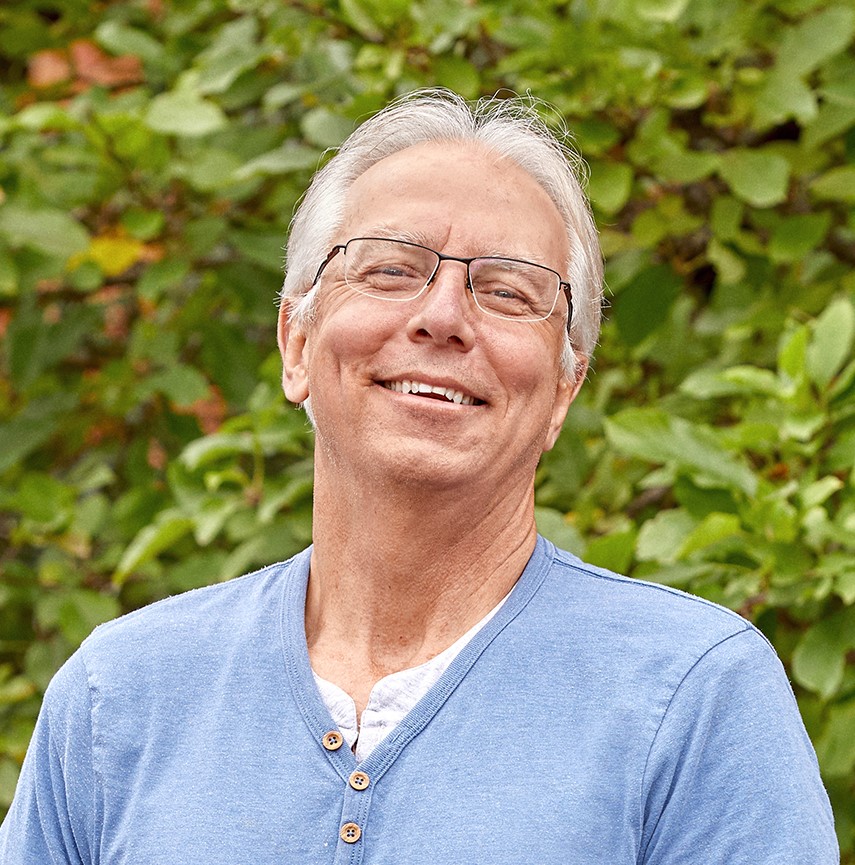
"For all the family-owned farming and fishing operations, if not Two Hands, then who?"

Our approach

Market-led, not subsidy-dependent.

Government has a role in food system reform. But waiting for government is not a strategy for solving with urgency the big issues faced by farmers and food systems. Spotify and Netflix didn't fight piracy with legislation — they replaced the architecture.

Two Hands takes the same approach. We use technology to reengineer the supply chain so verified quality and land stewardship are commercially rewarded — without subsidies or asking farmers to invest upfront.  The reengineering means we take costs out of the supply chain – savings allowing us to pay producers more without charging end customers more.

The economics work.

Our Team
Greg McLardie

CEO & Co-Founder

30 years at executive levels in food and fast-moving consumer goods across Australia, Asia, the UK and USA. Member of the Digital Trust Taskforce Scotland and FinTech Scotland. Gave evidence to theScottish Parliament on the Digital Assets (Scotland) Bill and invited to 10 Downing Street for London Tech Week. Member of Fintech Scotland, Digital Taskforce Scotland and National Farmers Union Scotland
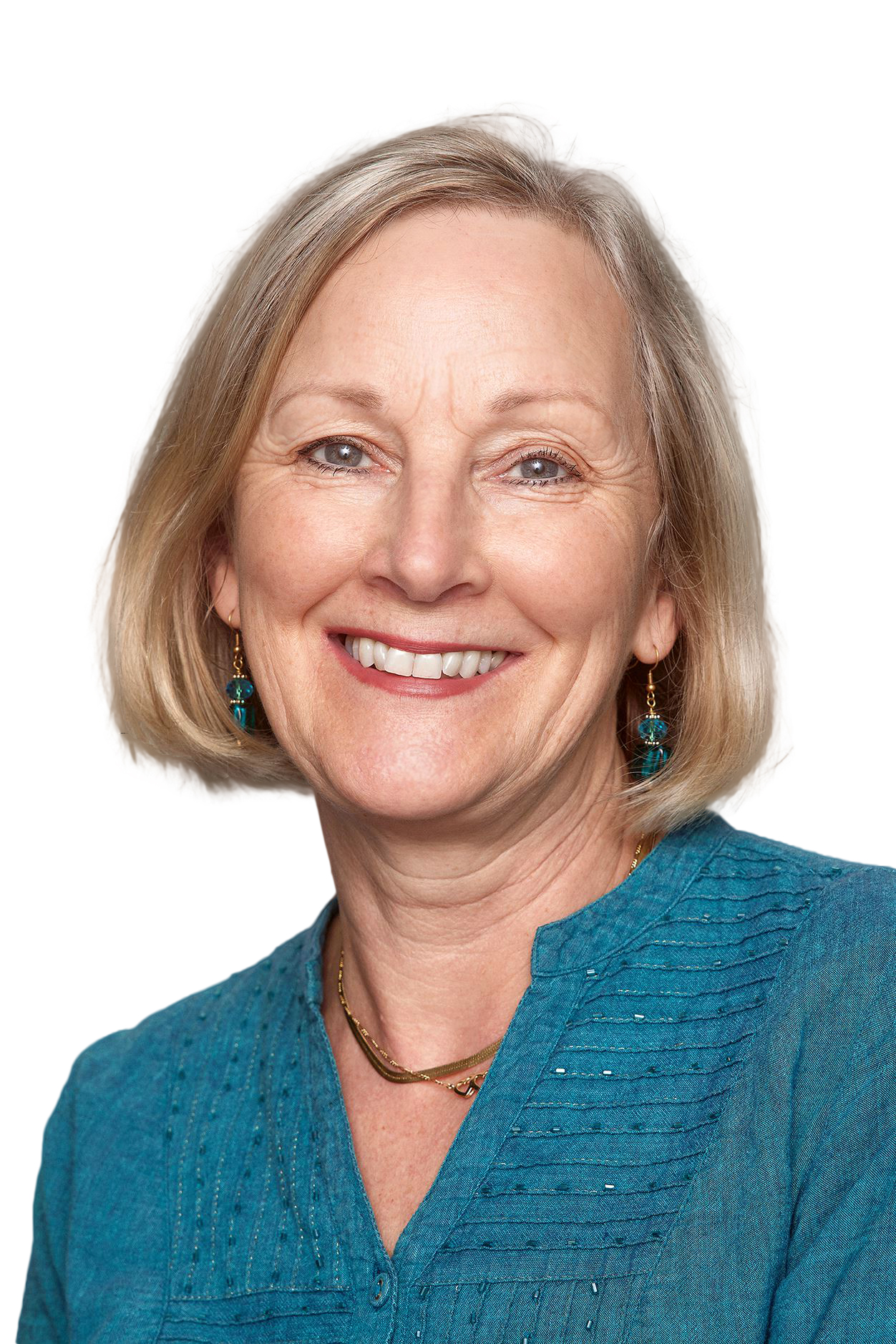
Gale McLardie

COO & Co-Founder

30 years marketing experience in agriculture, fast moving consumer goods, consulting and advertising agencies across USA, Australia, China, Japan and the UK.  Worked directly on behalf of farmers in 3 different industries. 6 yrs as COO/ CMO at Two Hands.
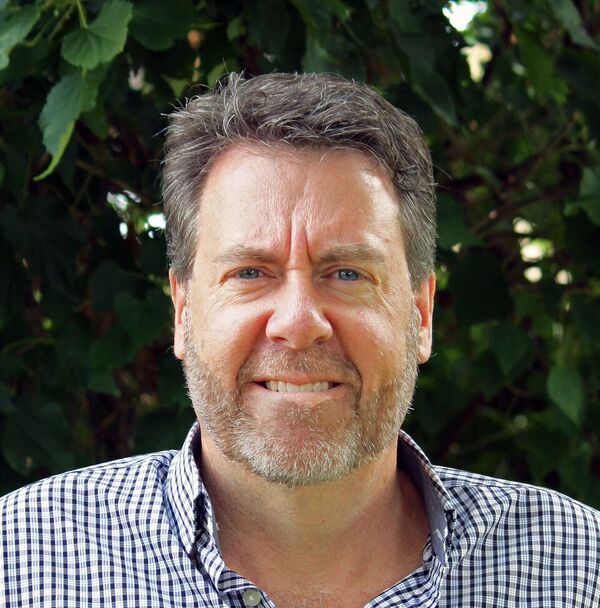
Wayne Hayes

Co-CTO

22 years as Co-founder and Director of software development business, providing software and services in supply chain, logistics and professional service automation. Project leader on roll-out and support of warehouse and inventory management solution for clients throughout South-East Asia since 2004.

Ceri Shaw

Co-CTO

Over 25 years of experience in the tech industry, with 12 of those at a senior level, ranging from large multinationals (Sky, M&G) to startups (Estendio, AilaMoney, CodeClan, Slide1828). Has managed both out sourced development teams and growing in-house capabilities, as well as operating as technical advisor.
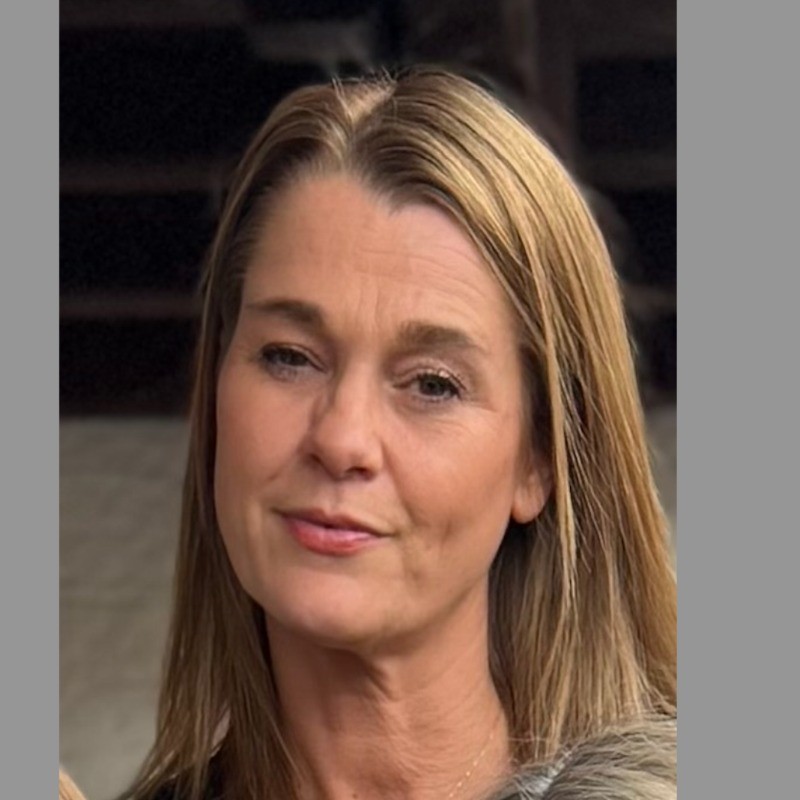
Dominie Fearn

Operations Lead

Dominie Fearn is a sustainability entrepreneur and commercial strategist with regenerative agriculture, ESG, food systems & carbon reporting expertise. Founder of The Wild Hare Group, a regenerative and organic food brand launched into Tesco & Ocado. She also founded Wild Chain, and led projects across sustainability strategy, whole-life carbon, ESG reporting, and stakeholder engagement, translating complex environmental data into commercially focused, scalable solutions.

© CaroKilt Ltd 2026
About us

Two Hands started with a phone call I'll never forget

It was a call from the leaders of the Australian lobster industry. They had just left a meeting with a major exporter who told them they had no option but to accept A$45/kg after receiving $87 the season just finished. The desperation in their voices touched me deeply as they feared the industry’s future for their children and grandchildren.

A few days later I was on Christmas break. We'd taken an Uber to the airport, stayed in an Airbnb, ordered books online. It dawned on me: The plight of those lobster leaders, we discovered, was the plight of farmers and fishermen globally.

It dawned on me: why can't we connect fishermen directly with end-buyers?

We launched in September 2019. Forbes published a 3-page feature — one of the few commercialised blockchain applications anywhere outside finance. By December, Marriott Group told us we'd solved their two biggest issues and asked us to grow from 4 to 26 fishermen in six weeks. We did – and it was our original four fishermen who brought every additional fisherman on board our platform. By January 2020, we had £1.6 million in orders for February alone.

Covid paused us. When we returned, the question wasn't whether Two Hands worked. It was where to scale. The UK was the answer.

A bigger problem than one industry

The lobster fishers' story is everywhere

Food systems are the leading contributor to biodiversity loss. The second-largest source of greenhouse gas emissions. A major driver of the obesity crisis. In 2024, the UK had record levels of food-borne illness. The average age of farmers globally now exceeds 60.

The FAO puts the hidden costs of global food systems at $12.7 trillion a year — exceeding the $9 trillion value of the food economy itself. For the UK alone, that's £248 billion annually, against a farming sector Treasury views through a £14 billion GDP lens.

These are not separate problems. Food systems have been built to make the real costs of food invisible. Farmers carry the blame for a system they did not design and cannot see or control.

Two Hands exists because the information failure is fixable — and because nobody else is fixing it from the foundation up.

Our Mission

Protecting The Innocents

We think of the family-owned farms, fishing operations, logistics businesses, processors, wholesalers and rural communities we work with as The Innocents — people who produce extraordinary food and receive an inequitable share of the value they create.

Two Hands gives them what the current system denies them a:
1) Permanent, verifiable record of what they produce and how they produce it, and
2) Means for that information to be shared with end customers as their commercial asset - the foundation for a more honest food system.

The level playing field

Digital Trust and AI are supposed to democratise. Whether they do depends on who builds the infrastructure.

The top 20 UK food multinationals generate £30.2 billion in profit a year, spend £5.3 billion annually on IT, and employ over 25,000 IT staff.

Facing them: 209,000 UK farmers. 99% of farms are family-owned, typically employing fewer than 3 people, most carrying significant debt.

If the tech infrastructure for food systems is created by the multinationals, the power imbalance that has commoditised farmers could well accelerate.

Global food leader, Professor David Hughes, put the question plainly:

"For all the family-owned farming and fishing operations, if not Two Hands, then who?"

Our approach

Market-led, not subsidy-dependent.

Government has a role in food system reform. But waiting for government is not a strategy for solving with urgency the big issues faced by farmers and food systems. Spotify and Netflix didn't fight piracy with legislation — they replaced the architecture.

Two Hands takes the same approach. We use technology to reengineer the supply chain so verified quality and land stewardship are commercially rewarded — without subsidies or asking farmers to invest upfront.  The reengineering means we take costs out of the supply chain – savings allowing us to pay producers more without charging end customers more.

The economics work.

Our Team

Greg McLardie

CEO & Co-Founder

30 years at executive levels in food and fast-moving consumer goods across Australia, Asia, the UK and USA. Member of the Digital Trust Taskforce Scotland and FinTech Scotland. Gave evidence to theScottish Parliament on the Digital Assets (Scotland) Bill and invited to 10 Downing Street for London Tech Week. Member of Fintech Scotland, Digital Taskforce Scotland and National Farmers Union Scotland

Gale McLardie

COO & Co-Founder

30 years marketing experience in agriculture, fast moving consumer goods, consulting and advertising agencies across USA, Australia, China, Japan and the UK.  Worked directly on behalf of farmers in 3 different industries. 6 yrs as COO/ CMO at Two Hands.

Wayne Hayes

Co-CTO

22 years as Co-founder and Director of software development business, providing software and services in supply chain, logistics and professional service automation. Project leader on roll-out and support of warehouse and inventory management solution for clients throughout South-East Asia since 2004.

Ceri Shaw

Co-CTO

Over 25 years of experience in the tech industry, with 12 of those at a senior level, ranging from large multinationals (Sky, M&G) to startups (Estendio, AilaMoney, CodeClan, Slide1828). Has managed both out sourced development teams and growing in-house capabilities, as well as operating as technical advisor.

Dominie Fearn

Operations Lead

Dominie Fearn is a sustainability entrepreneur and commercial strategist with expertise spanning regenerative agriculture, ESG, food systems, and carbon reporting. She is the Founder of The Wild Hare Group, a regenerative and organic food brand launched into major UK retailers including Tesco and Ocado, recognised for combining premium food innovation with measurable sustainability outcomes.

She also founded Wild Chain, a platform connecting farm-level environmental data with Scope 3, carbon, biodiversity, and compliance reporting to help businesses navigate evolving sustainability requirements.

With a background in Environmental Conservation Management, Dominie has led projects across sustainability strategy, whole-life carbon, ESG reporting, and stakeholder engagement, translating complex environmental data into commercially focused, scalable solutions.