
How it works
The technology is straight forward. What it makes possible is not.
Two Hands’ platform combines Digital Trust technology with bespoke software built specifically for the food ecosystem. Digital Trust creates permanent records of farmer’s land stewardship and of every change of custody event in the supply chain. The bespoke tech enriches those records to create easy-to-understand reporting to farmers, chefs, diners and purchasing managers.
What Digital Trust brings is a reporting of truth and authenticity. Every event in the chain is transparent, auditable and immutable (permanent and can’t be changed). Those three properties, working in concert, deliver something the food system has never had: trust and authenticity at scale.
Without this tech, ‘farm to plate’ are empty words, susceptible to fraud. But the tech alone isn’t enough to create true ‘farm to plate’, much less address the pain points of farmers, fishermen and chefs, nor the hidden costs the traditional food supply chain inflicts on the world.
In fact, many blockchain platforms layer themselves upon existing food supply chains, claiming to offer food system transparency. The downfall of these platforms is their reliance on the existing food system infrastructure, which profits most from limiting information sharing and exploiting farmers.
Two Hands combines its tech with a reengineering of the supply chain, creating a collaborative environment where maintaining the integrity of each change of custody benefits all. Supply chain power is democratised. Achieving this requires business experience delivering the ability to speak with credibility to farmers, Michelin chefs, group purchasing managers, CEO’s, abattoirs and wholesalers. And the ability to convince various participants to work within a new, more collaborative approach under different financial incentives. This is what underpins our tech, making it sing. It is also what makes our platform the hardest to implement.
Step by step — from farm soil to consumer
1) Authentication at source
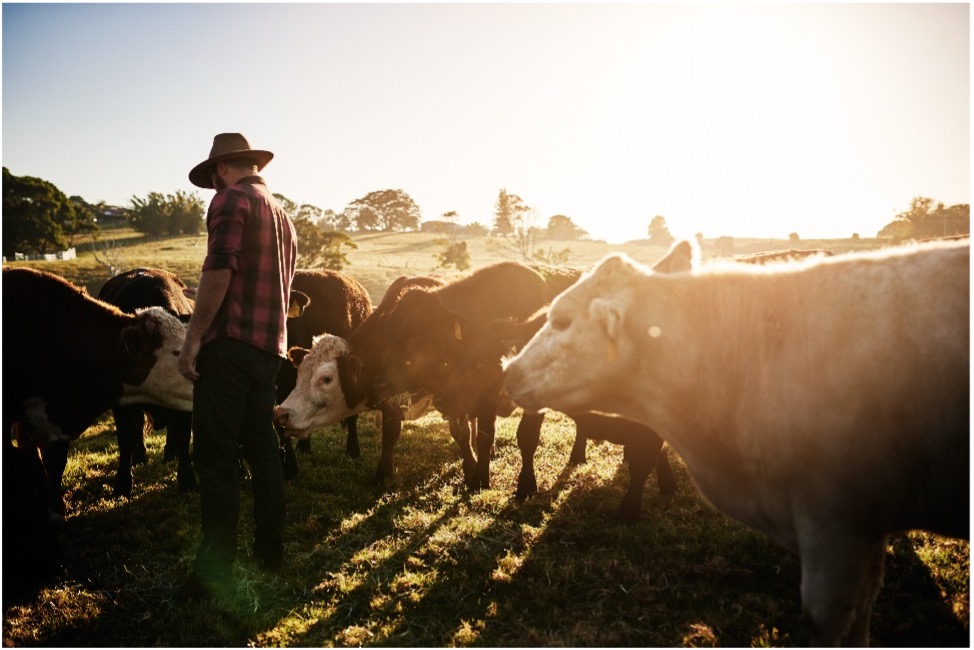
Two Hands is a data verification platform. We start by authenticating the farm source data.
Farm data has always existed — soil health, emissions, biodiversity, nutrient density, husbandry practices. The problem has never been the absence of data. It has been the absence of a way to access, verify and get it to end-buyers and consumers in a cost effective way. Without verification, the data is not an asset. It is a claim.
Over our 6 years of operations in Asia and Australia, Two Hands has brought data from our producers to restaurant tables. We are taking it a giant step forward with our world-first initiative in the UK. Our initiative is based on the positive results from the EU-funded ARCZero study in Northern Ireland among 7 farms (5 with livestock), showing farms can contribute to sustainability – net zero, GHGe, biodiversity.
Working with specialist partners in soil science, air monitoring, biodiversity and nutrient density, Two Hands authenticates this detailed farm data back to source. Collection of this source scientific data is aligned with international protocols. MRV (measurement, reporting and verification) technology is progressing rapidly. Cost-effective, 24/7 continuous monitoring of soil, air, water and biodiversity is close. Two Hands intends to be at the forefront — bringing the best emerging tools into the platform as they mature, working in partnership with the domain experts who understand each specialist field.
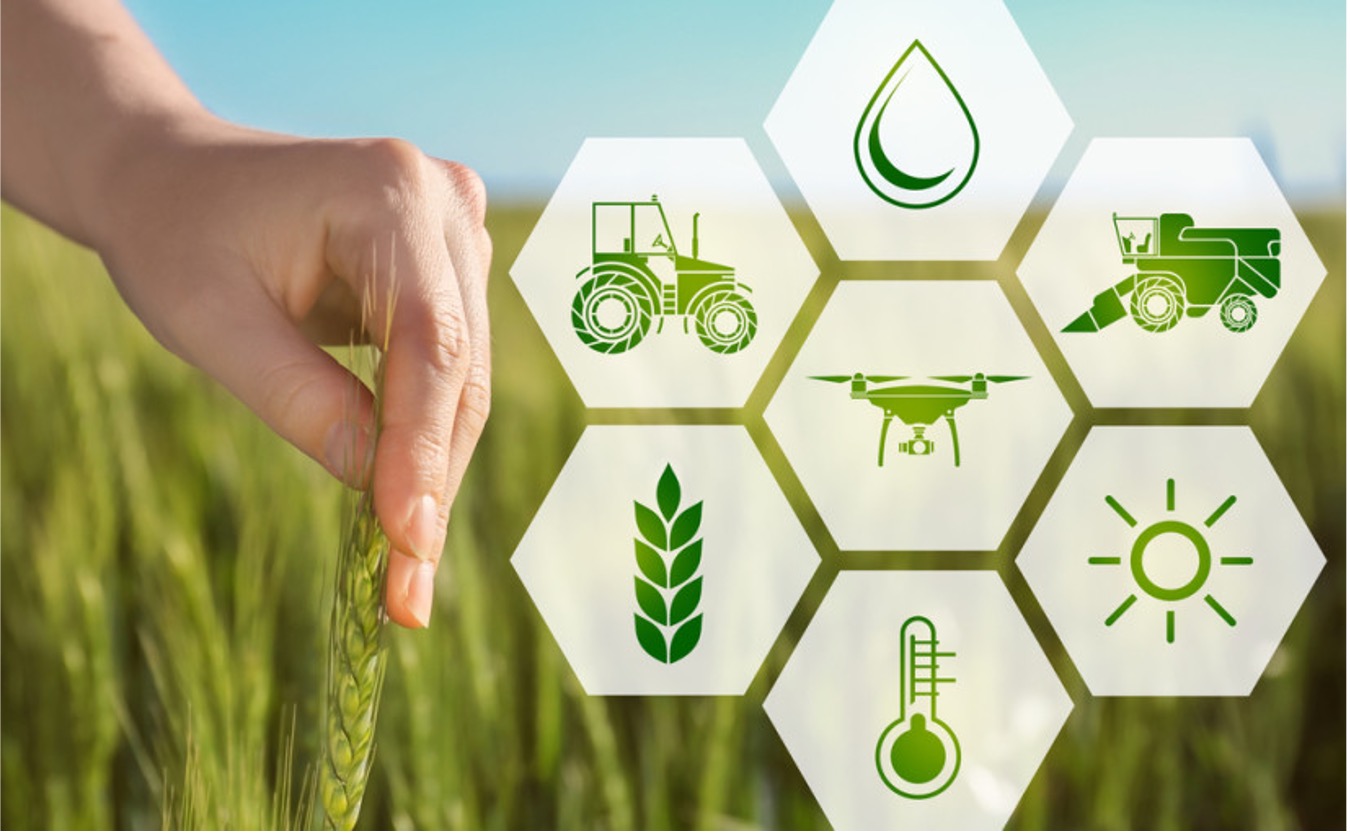
Every authenticated data point lands in the farmer's digital wallet. The farmer owns it. Controls it. Decides who sees it, on what terms and at what price. What was previously invisible now carries a permanent, verifiable record — and the commercial value that follows.
2) The supply chain reengineered
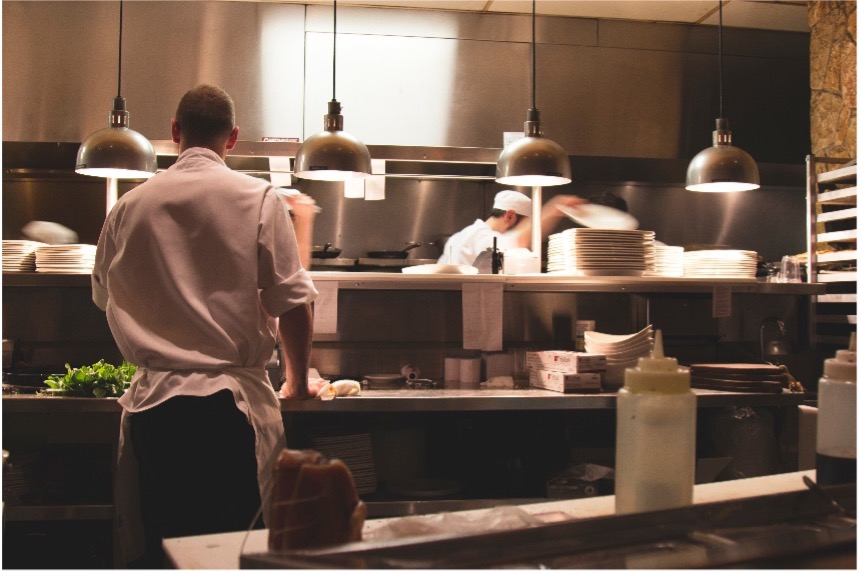
Two Hands starts from the chef's order rather than the middleman's commodity pool — building the chain around the end-buyer rather than the middle. Supply chain participants who add value — logistics, processing — remain, but do not take product ownership risk – they simply provide a service.
This reduces their cost, but makes them fully accountable to all other parties, including Two Hands. Two Hands instead uses the chef’s order as the basis for acquiring supply chain and invoice financing, so all parties on paid according to their standard payment terms. Collaboration and sharing of data is required of all participants. The savings flow up stream to producers without any cost to chefs, while improving quality and reliability.
Six years of commercial operation across Australia and Asia show supply chain savings of over 20% and proven the appeal of our reengineered model among supply chain participants. In a collaborative supply chain, those savings compensate farmers with higher profits — without charging them a fee, without requiring a higher price of restaurants (critically, no consumer behaviour change necessary), and without government subsidy.
3) Every handover recorded

As produce moves through the supply chain, each change of custody is recorded in real time. The platform tracks the asset itself — the cow, the seafood, the carrot. The form it takes as it moves — beef and seafood portions, bagged vegetables. GPS location. Value. ESG metrics. All of it visible, all of it authenticated, all of it permanent.
Because the record is transparent, auditable and immutable (permanent and can't be altered - ever), there is no gap to hide in. If something goes wrong it is visible immediately —and the responsible party is known and accountable. Deviation from specification is a permanent damage to reputation. Every participant in the chain is paid by Two Hands and operates with the knowledge their performance is on the record. Behaviour changes.
4) Chefs and diners scan a QR code

Every food portion carries a QR code. Scan it and the full story opens: the producer and region, the chain of custody. Going forward, the sustainability credentials and the nutrient density of the specific produce on the plate. Authenticated from source. No modelling. No marketing.
5) Producers rewarded for what their verified stewardship delivers
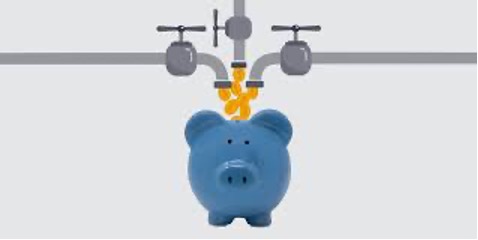
When buyers can see this high quality data, three income streams open:
1) A greater share of the value their produce creates
To date, every producer on the Two Hands marketplace has been paid a premium above the market, thanks to the savings generated by our reengineered supply chain.
Plus two additional income streams with our world-first UK initiative:
2) Recognition for land stewardship
Nature markets need authenticated outcomes — soil carbon, emissions reductions, biodiversity uplift — in a form that is bankable, not self-declared or audited. Two Hands establishes that record. Previous nature markets collapsed on greenwashing, unverified claims. Authenticated data rebuilds the foundation.
3) ESG data the end-buyer pays for
Retailers, hospitality groups and institutional buyers face mandatory scope 3 reporting on nature impact. They need authenticated data at the portion level and do not currently have it. Our platform provides it with consolidated reporting available through a subscription fee. With the farmer's permission, the commercial value of data flows back to the farmer.
No cost to the producer or end-buyer
The platform operates on a transaction fee paid from the supply chain savings it creates. No upfront cost to farmers. No subscription. No hardware. No sensors the farmer has to purchase.
Critically, the inceased product profit for producers is not paid from restaurants or consumers paying more, despite the added value they are receiving in authenticated product. Too many in the industry assume consumers will pay more. One look of the organic market globally bears out the truth - while all consumers value higher integrity product, targeting only those who will pay more is only a niche play.
Our economics work on a bigger playing field, recognising consumer behaviour, not fighting it. That is the architecture.
Want to know more?
If you want to talk to the people behind Two Hands — about how it works for your farm, your kitchen, your supply chain or your investment thesis — connect with Greg on LinkedIn.
→ Connect with Greg McLardie on LinkedIn

